

 EN

 EN
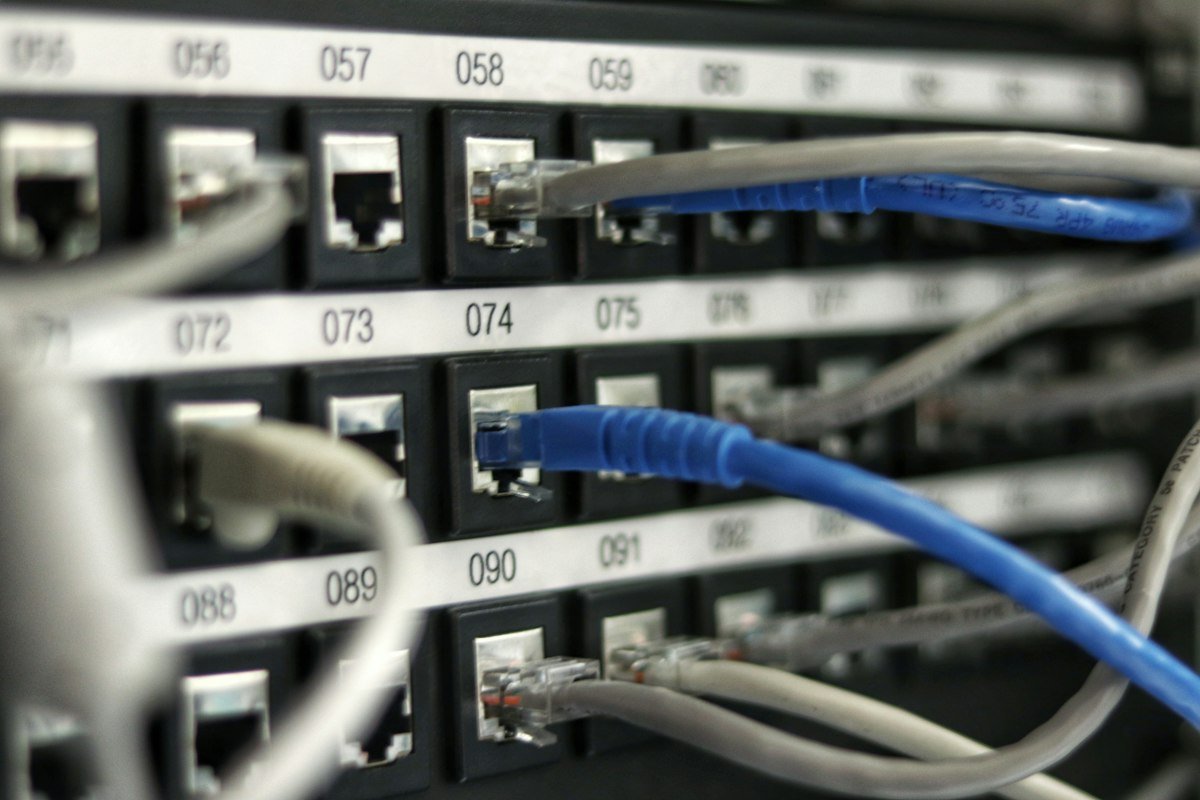
Every device on the internet needs an address. This is called an IP address. Your phone, computer, and smart TV all have one. It helps data find its way to you.
For many years, we used a system called IPv4. It was created a long time ago. At first, it had more than enough addresses for the whole world. But the world changed.
Now, almost everyone has a phone. Many people have more than one smart device. Because of this, we are running out of IPv4 addresses. We needed a new solution.
IPv6 is the new version of the internet protocol. It was made to fix the shortage of addresses. It gives us a huge number of new addresses.
How big is the difference? IPv4 can make about 4.3 billion unique addresses. That sounds like a lot. But the world has nearly 8 billion people. Many people use multiple devices.
IPv6 can make a number of addresses so big that it is hard to imagine. It is enough for every grain of sand on Earth to have many addresses. We will not run out of IPv6 addresses anytime soon.
Right now, we use both. Internet providers are slowly moving to IPv6. Most modern routers and devices support both versions.
IPv6 also brings other benefits. It can make network traffic more direct. It can improve security for some devices. But changing the whole world to IPv6 takes time.
Most home users do not need to worry about this. Your internet service provider handles it for you. Your devices work behind the scenes to connect using whichever version they need.
Summary: IPv4 and IPv6 are systems that give devices internet addresses. IPv4 is older and is running out of space. IPv6 is the new system with almost endless addresses to keep the internet growing.